Product Description
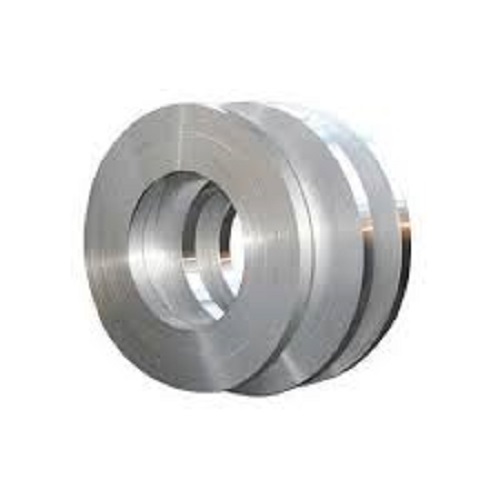
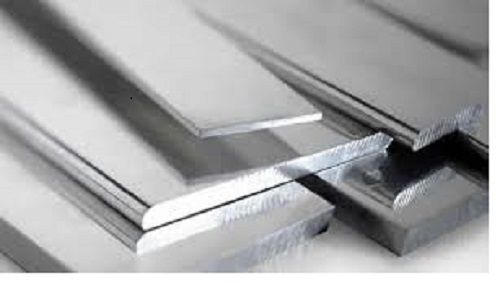
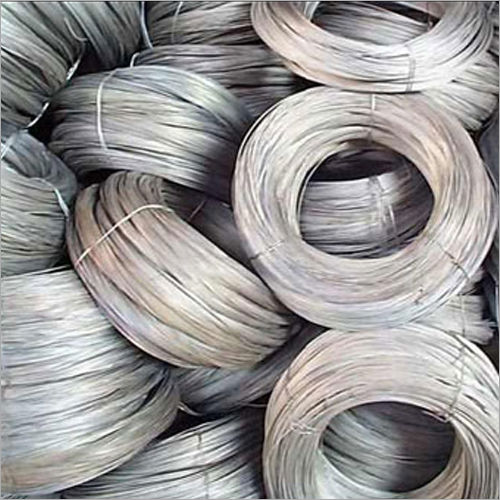
aluminum stripis analuminumalloy with analuminumcontent of 99.5% or more.aluminum stripis made by slittingaluminumcoils.Aluminum striprefers tostripshape product which manufactured withaluminumas the main raw material, and mix other alloy elements.
Precision Engineering and Quality StandardsAluminium strips are manufactured to strict standards including ASTM B209, EN573, JIS H4000, and IS 737. This ensures consistent quality, dimensional accuracy, and compliance for a diverse range of applications. Each batch undergoes careful inspection, guaranteeing +/- 0.02 mm tolerance and customizable hardness according to the required temper.
Versatile Applications and CustomizationOur aluminium strips find application in electrical components, cable wraps, HVAC systems, transformers, automotive sectors, and construction. The product is available in mill finish, anodized, or coated surfaces, and a range of widths and thicknesses (from 0.15 mm to 6 mm), tailored to the clients preference for optimal performance in their specific use case.
Trusted Supply and Reliable PackagingSupplied by leading distributors, manufacturers, and suppliers across India, aluminium strips are packaged securely on wooden pallets with protective wrapping. Coil weight and minimum order quantities are negotiable, ensuring flexibility for varying project scales and requirements.
FAQs of Aluminium Strip:
Q: How are aluminium strips manufactured to meet various industry standards?
A: Aluminium strips are produced using advanced rolling, slitting, and cutting processes, adhering strictly to standards such as ASTM B209, EN573, JIS H4000, and IS 737. This guarantees consistent quality and material properties suitable for multiple applications.
Q: What customization options are available for dimensions and surface treatment?
A: Customers can specify the width (10 mm1250 mm), thickness (0.15 mm6 mm), coil weight, and outer diameterup to 1600 mm. Surface treatments include mill finish, smooth finish, anodized, or coated according to requirements.
Q: Where are aluminium strips commonly used and what are their key benefits?
A: Aluminium strips are utilized in electrical systems, HVAC, cable wraps, transformers, construction, packaging, and automotive industries. Their flexible, lightweight, anti-rust, and high-conductivity features make them highly advantageous for these applications.
Q: What is the process for ordering and packaging aluminium strips?
A: Orders are customizable with negotiable minimum quantities, depending on size, thickness, and width. Packaging options include wooden pallets, protective wrapping, or as needed, ensuring product safety during transport.
Q: When should the selection of temper and grade be considered for aluminium strips?
A: Temper (O, H14, H18, H24, etc.) and grade (1100, 3003, 8011, etc.) should be selected during the ordering process, based on the intended application to ensure the required elongation, hardness, and tensile strength are met for optimal performance.
Q: What edge types and tolerance levels can be specified for aluminium strips?
A: Edge types available are mill edge or slit edge, and tolerance can be customized as required, with a standard tolerance of +/- 0.02 mm provided to ensure dimensional accuracy for high-precision tasks.
Q: How does the high conductivity of aluminium strips benefit electrical applications?
A: Aluminium strips, especially the 1100 series with conductivity above 60% IACS, provide efficient electrical transmission and are ideal for manufacturing components like cable wraps and transformer windings, ensuring reliable performance in electrical systems.






 Send Inquiry


