Product Description
Lead Wool
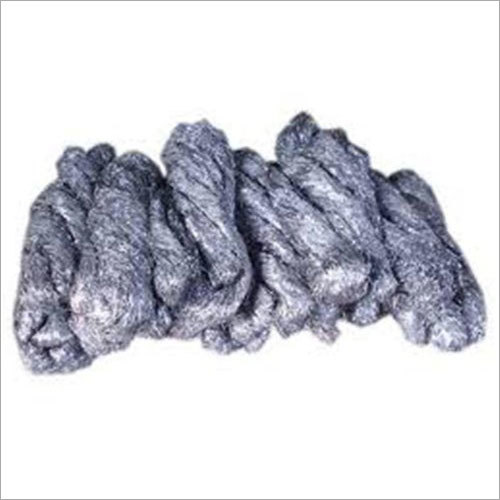
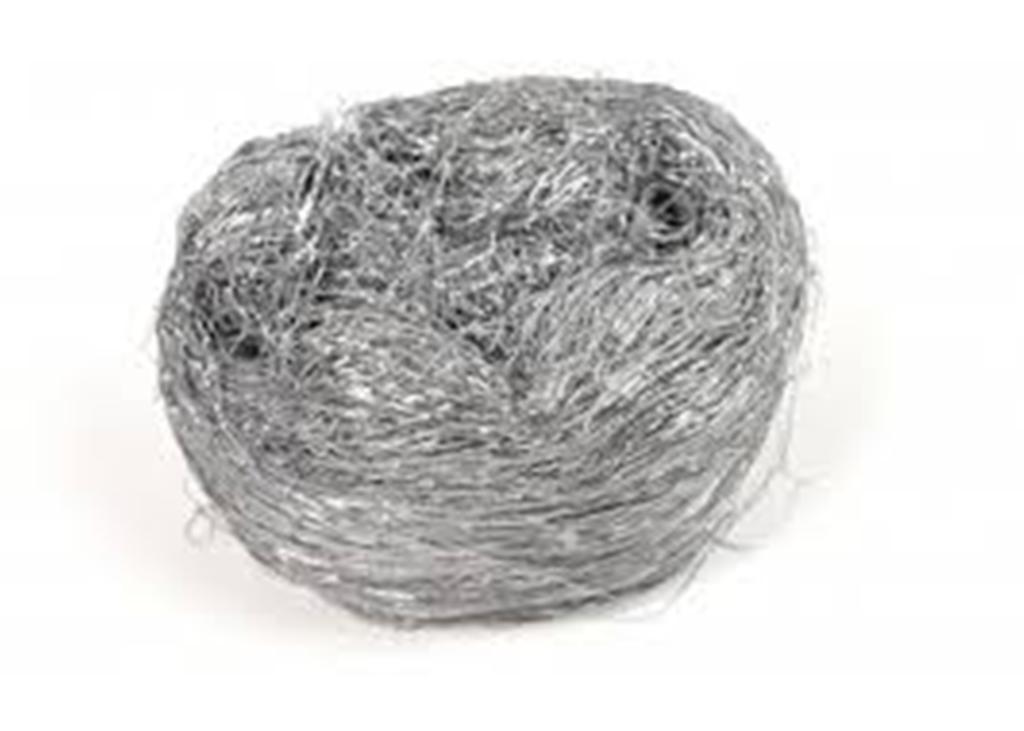
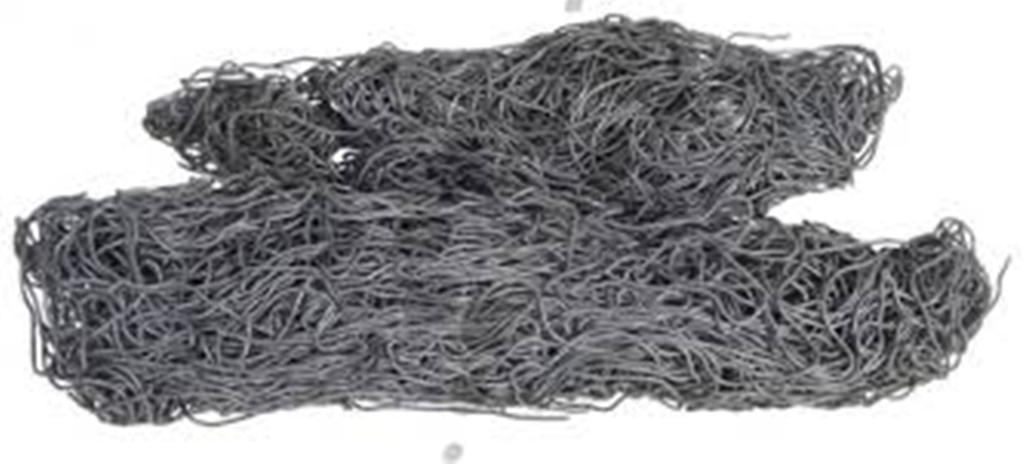
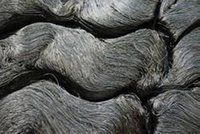
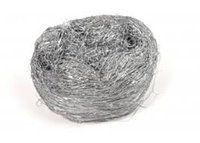
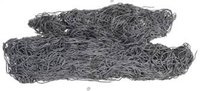
Lead Wool, a form of caulking Lead, is long, fine strands of chemical grade Lead which is twisted into 5/8 rope for use in various applications and is available in 5 lb. cartons or 50 lb. waterproof bags. It averages about 2- ft. to one pound. Lead wool is certified to meet Federal Specification QQ-C-40.
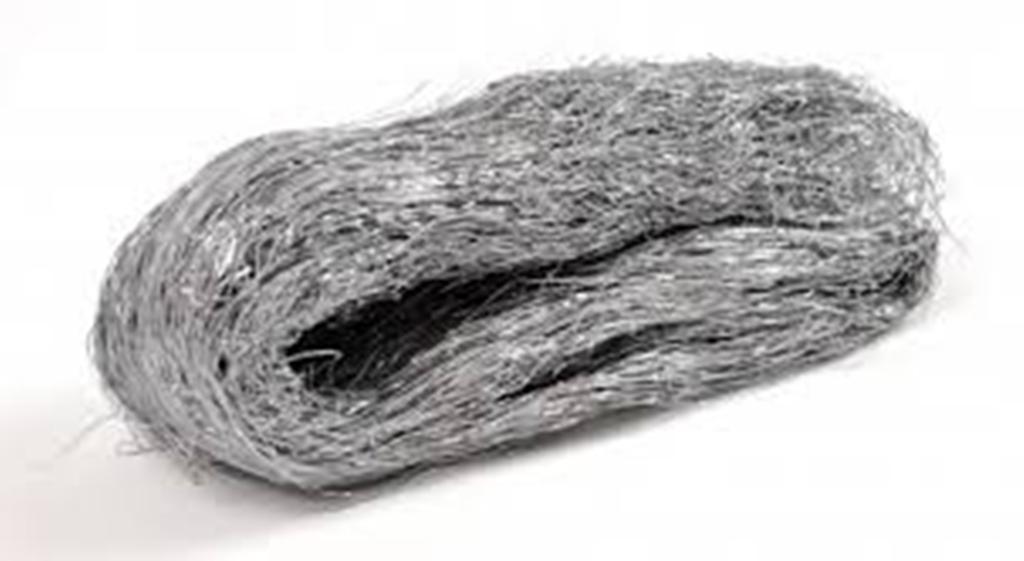
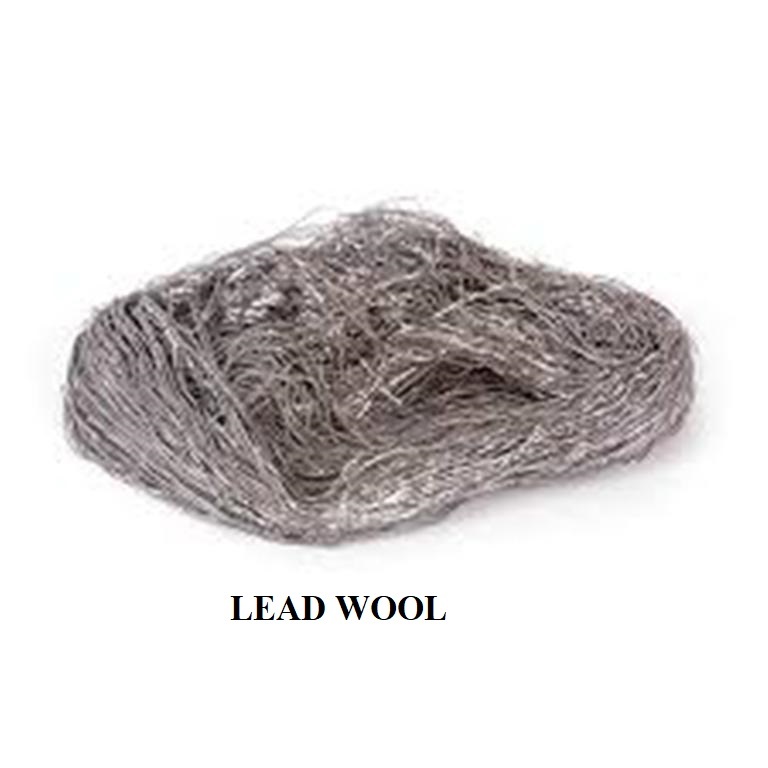
Lead wool is made by scratching fine strands from the surface of a Lead disc. It is used for the caulking of joints in large pipes e.g. gas mains and in some specialist batteries.e pipes, and apertures of walls and ceilings. Very good ductility of Lead ensures fast and easy filling and sealing of small slots too. It is also convenient for anti-radiation protection. The Lead resistance to aggressive environment is a warranty of long-term durability of seal.
The Lead Wool is used to seal flanged connections, cast iron, cement and earthenware.
Versatile Industrial ApplicationsLead Wool is specifically engineered for industrial use, such as caulking, sealing joints, and providing radiation protection in challenging environments. Its high flexibility and compressibility allow it to conform tightly within pipes and flanges, ensuring a durable and secure seal. Industries dealing with chemicals, radiation, or moisture particularly benefit from this adaptable material.
Quality and Standards AssuranceOur Lead Wool meets stringent ASTM B29 or equivalent standards, guaranteeing industrial-grade purity of at least 99.97%. The matte gray metallic finish ensures authenticity, while each batch undergoes rigorous checks for chemical composition and physical properties. This guarantees optimal performance, whether ordered for standard or customized applications.
FAQs of Lead Wool:
Q: How is lead wool typically used in industrial settings?
A: Lead Wool is primarily used for caulking, sealing joints in pipes, flanges, and fittings, and for providing effective radiation shielding. Its flexibility allows it to fit into irregular gaps, securely sealing against leaks and preventing the escape of radiation or hazardous materials.
Q: What are the benefits of using lead wool for sealing and shielding purposes?
A: Lead Wool offers excellent corrosion resistance, high flexibility, and superior compressibility. These properties ensure efficient sealing in challenging environments and effective protection against radiation, making it a trusted choice for industrial sealing and shielding applications.
Q: When should lead wool be chosen over other sealing materials?
A: Lead Wool should be selected when high flexibility, corrosion resistance, and the ability to conform to irregular spaces are critical. It is especially suitable for environments requiring durable seals against moisture, gases, or radiation, where standard seals might fail.
Q: Where can lead wool be applied in the construction and maintenance process?
A: Lead Wool is widely applied in the construction and maintenance of pipelines, ducts, radiation shielding installations, and flanged connections. Its use is common in waterworks, nuclear facilities, chemical plants, and power generation stations.
Q: What is the standard packing type for lead wool supplied by manufacturers in India?
A: Lead Wool is typically supplied in coils or spools, securely packed in polythene bags. This ensures cleanliness, protection from contamination, and ease of storage and transportation.
Q: How is the custom size or weight of lead wool determined for a specific project?
A: Custom sizes and weights are determined based on project specifications, such as the dimensions of the gaps to be sealed or the level of radiation protection required. Suppliers offer tailoring services to provide lead wool in the lengths, thicknesses (0.5 mm to 2 mm standard), and quantities needed.






 Send Inquiry


